
Electrical Upgrades Houston: Safety, Code & Budget for Older Homes
Older Houston homes have character—and electrical systems that often weren’t built for today’s power needs or our storm-prone, humid climate. If you’re considering electrical upgrades Houston homeowners commonly prioritize, this guide explains what to address first, how local code and permits work, and how to plan a realistic budget without surprises. We’ll keep it plain-English and safety-first, with practical steps you can use to talk confidently with a licensed electrician.
How to Tell Your Older Houston Home Needs Electrical Upgrades
Common warning signs
- Breakers that trip often, or fuses that blow
- Warm or discolored outlets and switch plates
- Lights that flicker or dim when appliances start
- Two-prong (ungrounded) outlets, especially in kitchens and bedrooms
- Extension cords or power strips used permanently
- Buzzing from panels or outlets, or a faint burning odor
- Outdated wiring: brittle cloth-covered wire, knob-and-tube, or aluminum branch circuits
Capacity vs. modern loads
Today’s homes demand more power: central HVAC, tankless water heaters, induction ranges, dual-fuel laundry, home offices, and EV chargers. If your main service is still 60–100 amps, or your panel is full with tandem breakers, your system may not have the headroom for modern living. A licensed electrician can perform a load calculation to confirm whether a panel upgrade or added service capacity is the right next step.
Safety and Code Basics in Houston
NEC-based local code in plain English
Houston follows the National Electrical Code (NEC) with local amendments. Here are key protections to ask your electrician about to ensure code compliance:
- GFCI protection: Reduces shock risk in wet or damp locations such as kitchens, baths, laundry rooms, garages, and outdoors. You’ll see this as GFCI outlets or breakers.
- AFCI protection: Helps reduce arc-fault fire risk on many living-area circuits, including bedrooms, living rooms, and hallways. Combination AFCI breakers are common in newer upgrades.
- Grounding and bonding: Proper grounding and bonding stabilize voltage and help breakers trip as designed. Expect corrections like bonding water piping and installing grounding electrodes if they’re missing.
- Tamper-resistant receptacles: Required in many areas to protect children; they look like standard outlets but prevent foreign objects from entering.
Permits, inspections, and working with licensed electricians
Most panel upgrades and new circuits in Houston require permits and inspections. A strong proposal should state that your contractor will:
- Pull the correct permit
- Coordinate required CenterPoint utility and City of Houston inspections
- Schedule shut-offs/turn-ons and communicate downtime
- Provide labeled panel directories and basic homeowner education after final inspection
Why DIY electrical work is risky in older homes
Older wiring methods vary widely, and decades of modifications can hide hazards behind finished walls. Even experienced DIYers can miss bonding issues, mixed neutrals, or overheated connections. For legacy wiring, aluminum conductors, or any panel work, hiring a licensed electrician is the safest route.
Priority Electrical Upgrades Houston Homeowners Should Consider
Panel upgrade and service capacity
When to consider it:
- Frequent tripping, a full panel, or you’re adding high-draw loads (HVAC, EV charger, induction range)
- Your panel is a legacy brand or model known for reliability issues
- Service capacity is undersized for modern life
What to expect:
- A load calculation to size service properly (often 150–200A for many homes)
- A new main panel with clear labeling and spare breaker spaces for future circuits
- Cleanup and secure mounting, with grounding/bonding updates as needed
GFCI/AFCI protection
Where required and why it matters:
- GFCI: Kitchens, baths, laundry rooms, garages, outdoors, and other damp/wet or utility spaces to reduce shock risk
- AFCI: Living areas and bedrooms to reduce arc-fault fire risk
Combination devices:
- Dual-function breakers combine GFCI and AFCI protections where both are required, keeping panels tidy and maintenance simple
Whole-home surge protection
Houston storms and grid events can send damaging surges through your system. A Type 2 whole-home surge protector installed at the panel adds a strong first line of defense for sensitive electronics and modern appliances. Point-of-use strips are still helpful, but whole-home devices clamp big surges before they spread.
Grounding and bonding corrections
Expect your electrician to verify:
- Bonding of metal water piping where present
- Proper grounding electrode system (ground rods or other electrodes per code)
- Correct neutral/ground separation in subpanels
- Continuity of grounding paths to receptacles and equipment
Knob-and-tube replacement and other legacy wiring
Knob-and-tube wasn’t designed for today’s loads and often lacks a grounding conductor. Condition varies: unaltered K&T in open air can be serviceable, but insulation, splices, and later modifications may create hazards. Many homeowners choose knob-and-tube replacement during renovations to support modern devices and add grounding.
Dedicated circuits for kitchens, laundry, HVAC, and EV charging
- Kitchens: Dedicated small-appliance circuits, microwave/hood, dishwasher/disposal
- Laundry: Dedicated 20A laundry circuit
- HVAC: Properly sized dedicated circuits with correct disconnects
- EV charging: A dedicated 240V circuit or a load-management solution, coordinated with your service size
Aluminum wiring remediation options
Some homes have aluminum branch circuits from past decades. Safe mitigation options include:
- Approved repair methods using listed connectors and antioxidant compounds at device terminations
- Rewiring targeted areas or full replacement during renovations
Your electrician can discuss CSA-/UL-listed connector methods and when rewiring is the better long-term plan.
Smoke/CO detector modernization
Modernize to hardwired, interconnected smoke alarms with battery backup (and CO alarms where fuel-burning appliances or attached garages exist). Interconnection ensures all alarms sound together—critical for night-time safety.
Budget Planning Without Surprises
Scope first: assessment, priorities, and phasing
Start with a thorough assessment and a written scope that separates:
- Life-safety/code items: GFCI/AFCI, grounding/bonding, smoke/CO, panel reliability
- Capacity: Panel upgrade or added service for future loads
- Convenience and future-proofing: Dedicated circuits, EV charging, smart switches
Cost drivers to understand
- Access and distance: Long cable runs; second-story, attic, or under-slab routes
- Panel location and utility coordination: Meter/main moves; exterior vs. interior mounting
- Finish protection and restoration: Tile backsplashes, plaster walls, custom millwork
- Special equipment: Dual-function breakers, surge protectors, generator interlocks
- Scheduling: Overtime avoidance and minimizing power-off windows
Phased plan examples
- Phase 1: Panel upgrade with whole-home surge protection, grounding/bonding corrections, and GFCI/AFCI on critical circuits
- Phase 2: Dedicated kitchen/laundry/HVAC circuits and targeted rewiring of legacy or aluminum branch circuits
- Phase 3: EV charger circuit, smart panel/load management, and convenience receptacle upgrades — see Smart Home Renovation: Upgrade with Modern Tech & Automation
How to compare bids and what to include in proposals
Ask each bid to clearly state:
- Permit pulling and inspection coordination
- Make/model of panel, breakers (GFCI/AFCI/dual-function), and surge device
- Grounding/bonding corrections included
- Surface protection, cleanup, and labeling
- Temporary power and downtime plan
- Warranty terms and post-installation walkthrough
Houston Considerations: Climate, Storms, and Reliability
Humidity and corrosion protection
Our humidity accelerates corrosion. Look for:
- NEMA-rated enclosures for outdoor panels and disconnects
- Anti-oxidant compound on aluminum conductors
- Properly rated weather-resistant receptacles and in-use covers
- Stainless or galvanized fasteners where appropriate
Storm readiness: surge protection and generator-ready panels/interlocks
In a city accustomed to severe storms, consider:
- Whole-home surge protection at the main panel
- Generator-ready panels, interlock kits, or transfer switches installed to code
- Prioritized circuits for refrigeration, medical devices, sump pumps, and communications
Exterior circuits and GFCI weather-resistant requirements
Outdoor outlets and lighting need GFCI protection, weather-resistant receptacles, in-use bubble covers, and proper sealing to keep moisture out. For pool and spa equipment, expect additional code requirements—ask your electrician to review bonding and GFCI specifics for your setup.
What to Expect When You Hire a Pro in Houston
Site walkthrough, load calculation, written scope, timeline communication
A typical process includes:
- Visual assessment and testing
- NEC-based load calculation to size service/panel
- A written scope with line items by priority
- A clear schedule, including any planned outages and inspection dates
Clean work practices in occupied homes; coordination to limit downtime
Good teams protect floors and finishes, isolate dust, and coordinate shut-offs so essentials stay powered as much as possible. Expect concise daily updates—what’s done, what’s next, and any decisions needed.
Final inspection, labeling, and homeowner education
After inspection approval, you should receive:
- A clearly labeled panel directory
- A quick tour of GFCI/AFCI testing, surge protector indicators, and breaker operation
- Basic guidance on maintenance and when to call for service
Myth vs. Fact: Quick Clarifications
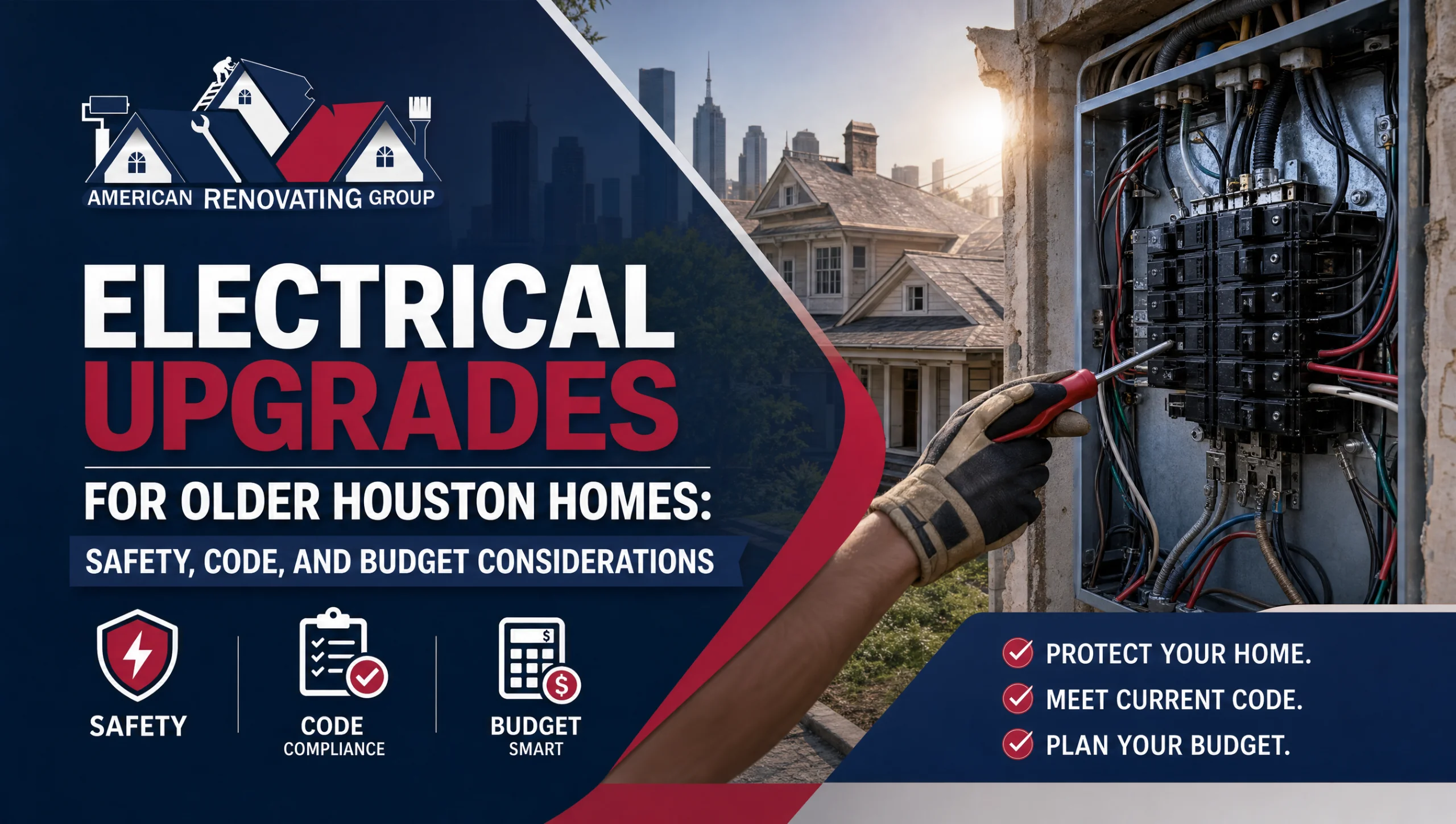
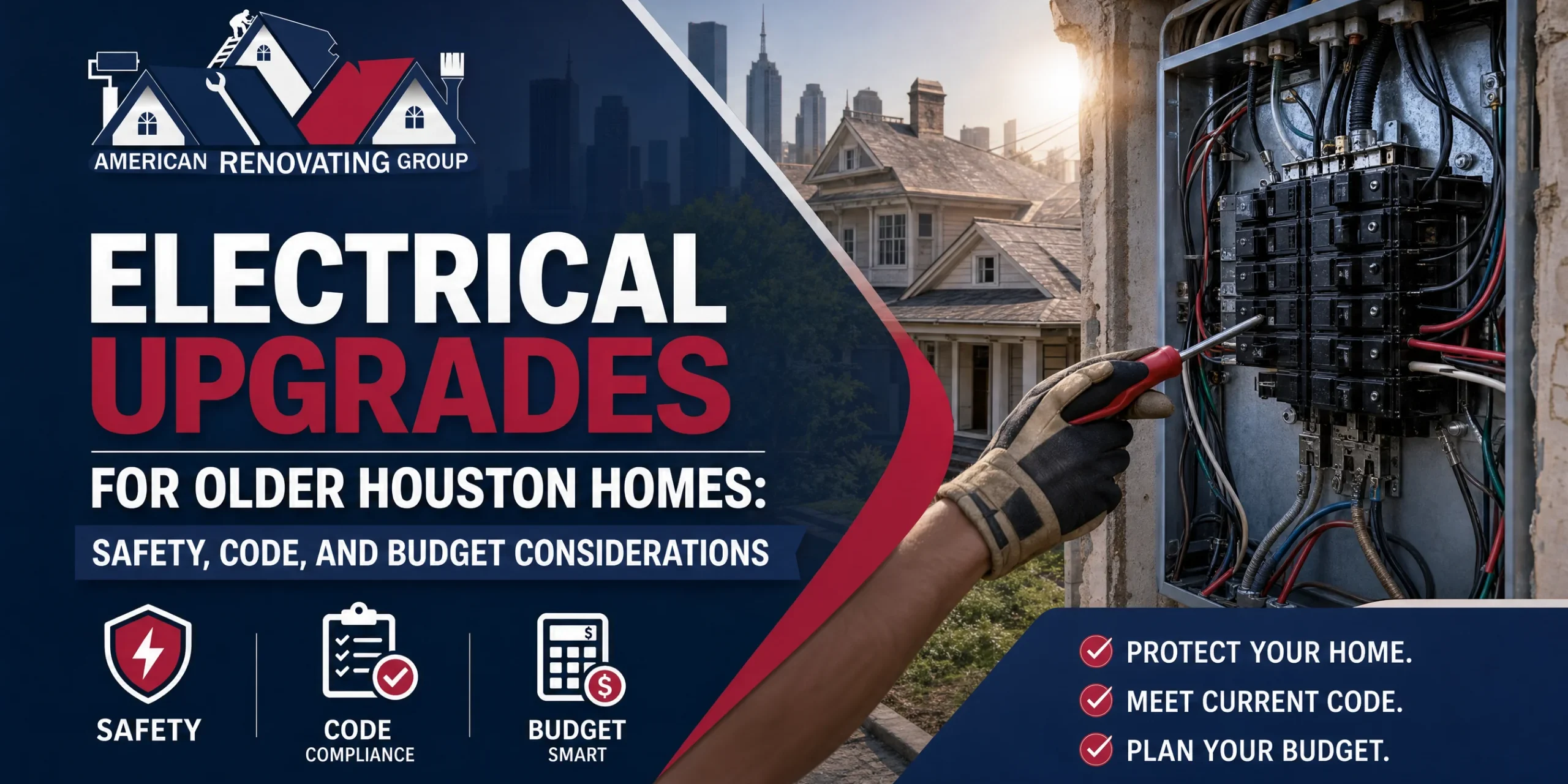
Upgrading an older Houston home’s electrical panel with modern GFCI/AFCI protection and whole-home surge defense for safer, code-aligned power.
- Myth: “If my lights work, my wiring is fine.” Fact: Lights can work even when grounding/bonding is missing or breakers are incorrectly sized—issues that matter most in an emergency.
- Myth: “GFCIs and AFCIs are optional extras.” Fact: They address different hazards (shock vs. arc-fault fire). Many areas require one or both in specific locations.
- Myth: “Upgrading the panel means rewiring the whole house.” Fact: Not always. If existing branch circuits meet code and test safely, a panel upgrade can proceed without full rewiring.
Real-World Note from the Field
On a recent Houston bungalow, we upgraded an aging 100-amp panel to a modern load center with dual-function breakers, added whole-home surge protection, and converted kitchen and bath circuits to GFCI protection. The homeowner wanted to keep original plaster walls, so we planned routes through the attic and protected finished surfaces with careful dust control. Clear labeling and a brief walkthrough helped reduce nuisance trips afterward—simple steps that made the upgrade feel seamless in a lived-in home.
Practical Steps You Can Take This Week
- Walk your home and note any two-prong outlets, warm plates, or frequent trips
- List planned loads for the next 3–5 years (HVAC, appliances, EV, remodels)
- Gather appliance nameplate photos for a load calculation
- Ask for two to three licensed electricians’ proposals with the scope elements listed above
- Prioritize life-safety items first, then phase convenience upgrades
Where to Learn More and Plan Your Project
- For a broader planning view beyond electrical, see Essential Home Renovation Tips (https://americanrenovating.com/renovation-tips/).
- If you’re weighing energy-savers with your electrical work, explore Energy-Efficient Home Upgrades for Sustainable Living (https://americanrenovating.com/energy-efficient-home-upgrades-eco-friendly-remodeling-savings/).
- For timelines, coordination, and budgeting approaches, visit Master Renovation Planning: Budgeting Tips & Project Management Strategies (https://americanrenovating.com/master-renovation-planning-budgeting-tips-project-management-strategies/) and Home Renovation Project Management: Strategies for a Successful Remodel (https://americanrenovating.com/home-renovation-project-management-strategies-for-a-successful-remodel/).
- Ready to coordinate electrical with painting, HVAC, or other trades? Explore Houston Renovating Services Transforms Apartments & Homes (https://americanrenovating.com/).
Why Choose a Local, Full-Service Team
American Renovating Services Group (Houston Renovating Services) is Houston-based and accustomed to working in occupied homes, coordinating with CenterPoint and city inspections, and sequencing electrical alongside HVAC, painting, and other trades. If you need to combine a panel upgrade with surge protection, GFCI/AFCI improvements, or dedicated circuits—without turning your home into a jobsite for weeks—we can help you plan a safe, code-aligned path. Call +1 (346) 666-7705 anytime; we’re available 24/7 for inquiries.
Conclusion
Electrical upgrades Houston homeowners prioritize—panel upgrades, GFCI/AFCI protection, surge protection, proper grounding, and targeted rewiring—deliver real safety and reliability benefits, especially in our humid, storm-prone climate. Start with a solid assessment, align to local code and permits, and phase work to fit your budget. If you’re ready for a calm, expert walkthrough of your older home, call American Renovating Services Group at +1 (346) 666-7705. We’re here 24/7 for inquiries and happy to help you plan the next right step.
Image alt text: Electrical Upgrades Houston panel upgrade with GFCI/AFCI and whole-home surge protection in an older home
Frequently Asked Questions
How do I know my older Houston home needs electrical upgrades?
Short answer: Frequent breaker trips, flickering lights, warm outlets, two‑prong receptacles, and buzzing are common warning signs.
Expanded: Signs include breakers or fuses that trip often, lights that dim when appliances start, warm or discolored outlets/switches, two‑prong (ungrounded) outlets, buzzing at panels or outlets, reliance on extension cords, and outdated wiring like cloth-covered, knob‑and‑tube, or aluminum branch circuits. If you notice any of these, it’s time to consult a licensed electrician.
Do I need a permit in Houston for a panel upgrade or new circuits?
Short answer: Yes—most panel upgrades and new circuits require permits and inspections.
Expanded: In Houston, contractors typically pull permits, coordinate with CenterPoint and City of Houston inspectors, schedule shut‑offs/turn‑ons, and provide final labeling and a walkthrough after approval. Make sure your proposal explicitly states permit and inspection coordination.
What’s the difference between GFCI and AFCI, and where are they required?
Short answer: GFCI helps prevent shock in wet/damp areas; AFCI helps reduce arc‑fault fires in living spaces. Many areas require one or both.
Expanded: GFCI protection is used in kitchens, bathrooms, laundry rooms, garages, and outdoors. AFCI protection is common in bedrooms, living rooms, and hallways. Dual‑function breakers can provide both protections in one device where needed.
Will a panel upgrade mean rewiring my whole house?
Short answer: Not necessarily.
Expanded: If your existing branch circuits are safe and meet code, a panel upgrade can often proceed without full rewiring. Your electrician will recommend targeted rewiring only if legacy wiring, aluminum terminations, or unsafe conditions are found.
How much service capacity do older Houston homes usually need today?
Short answer: It depends on a load calculation; many homes land around 150–200 amps.
Expanded: Modern loads—HVAC, induction ranges, EV charging, home offices—often exceed older 60–100 amp services. A licensed electrician should run an NEC‑based load calculation to size the service and panel correctly for your specific home.
How can I protect my appliances from Houston storms and surges?
Short answer: Install a Type 2 whole‑home surge protector at the main panel and use quality point‑of‑use strips.
Expanded: Whole‑home surge protection clamps large surges from storms or grid events before they spread through your system. Layered with point‑of‑use protectors, it gives your electronics and appliances better first‑line defense.
Is knob‑and‑tube wiring safe, and should I replace it?
Short answer: Condition varies; many owners choose replacement during renovations.
Expanded: Unaltered knob‑and‑tube in open air can test serviceable, but it typically lacks grounding and later modifications or insulation contact can create hazards. An assessment can identify risks; replacement during remodels supports modern devices and adds grounding.
What drives the cost of electrical upgrades in Houston?
Short answer: Access, run length, panel location/utility coordination, finish protection, specialty breakers/surge devices, and scheduling.
Expanded: Costs reflect how hard it is to reach circuits (attics, second stories), meter/main moves, exterior vs. interior mounting, protecting/restoring finishes (tile/plaster), dual‑function breakers or surge protectors, and minimizing downtime through careful scheduling.
How long will my power be off during a panel upgrade?
Short answer: It varies; your contractor should plan and communicate a defined outage window.
Expanded: A well‑run upgrade includes a clear schedule, temporary power planning where feasible, and coordination of utility shut‑offs/turn‑ons to limit downtime. Expect daily updates on what’s done, what’s next, and any decisions needed.
Why hire a licensed electrician for electrical upgrades Houston homeowners need?
Short answer: Older homes often hide hazards—licensed pros work to code, pull permits, and coordinate inspections.
Expanded: DIY can miss critical issues like improper bonding, mixed neutrals, or overheated connections. In Houston, a licensed electrician will perform a load calculation, correct grounding/bonding, install GFCI/AFCI and surge protection properly, and manage permits and inspections for code compliance.