
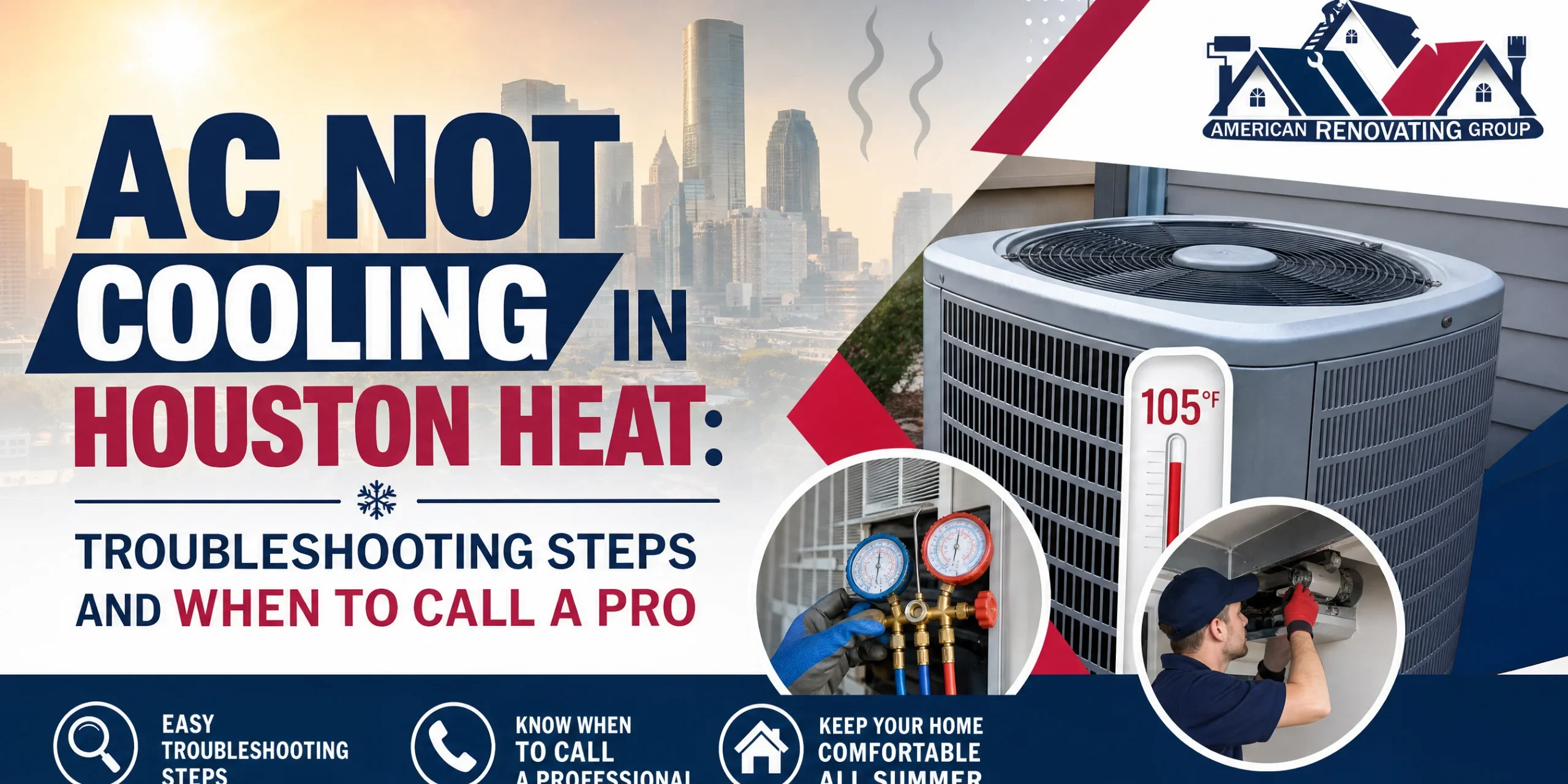
AC Not Cooling Houston: Safe Fixes and When to Call a Pro
AC Not Cooling Houston: Safe Troubleshooting Steps and When to Call a Pro
If you’re dealing with AC not cooling Houston heat, you’re not alone—and you’re wise to start with a few simple, safe checks. In our climate, many cooling hiccups come down to airflow and basic controls that you can address without tools. Use the steps below to rule out easy fixes, understand what to avoid, and know exactly when it’s time to bring in a licensed HVAC professional.
In short, AC not cooling Houston often traces to airflow or control issues you can safely inspect—like thermostat settings, a clogged filter, or a blocked outdoor unit—while problems such as iced coils, refrigerant concerns, or repeatedly tripped breakers are best left to a licensed HVAC pro.
Quick, safe DIY steps to try now:
- Set thermostat to Cool and Fan to Auto; lower the setpoint by 3–5°F.
- Replace or clean the air filter; open supply vents and clear returns.
- Check the breaker panel for a tripped AC circuit; reset once if safe.
- Inspect the outdoor unit; clear debris and maintain 2–3 feet of clearance.
- Look for a full condensate pan or tripped float switch; empty if accessible.
- If you see ice on lines or smell burning, turn the system off and call a pro.
First Things First: Quick Safety and Houston Heat Considerations
When to turn the system off (ice, burning smell, tripped breaker)
- Ice on lines or the indoor coil: Turn the system Off at the thermostat and set the fan to On to help thaw. Don’t chip ice or open sealed panels. Call a pro.
- Burning or electrical smell: Power down and call immediately. Do not reset breakers repeatedly.
- Repeatedly tripped breaker: One reset is reasonable if the breaker isn’t hot and there’s no burning smell. If it trips again, leave it off and call.
Why Houston humidity makes airflow and drainage extra important
- High humidity means your AC removes moisture as well as heat. Restricted airflow (dirty filters, closed vents) can freeze coils and stop cooling.
- Condensate drains work overtime in our climate. A clogged drain or full pan can trigger a safety switch that shuts the system down to prevent water damage.
Fast DIY Checks for AC Not Cooling in Houston
Thermostat issues to rule out quickly
- Verify mode and setpoint: Make sure it’s in Cool, not Heat or Fan Only. Lower the setpoint 3–5°F below room temperature.
- Fan setting: Use Auto, not On. “On” runs the blower continuously and can feel like warm air from vents when the compressor isn’t operating.
- Batteries and schedules: Replace thermostat batteries if applicable. Temporarily override schedules or eco modes while you test.
- Location matters: Thermostats in direct sun or near hot appliances can misread room temperature. A pro can advise on placement or calibration.
Airflow basics: filters and vents
- Replace/clean the filter: If you can’t remember the last change, it’s due. In Houston’s pollen and dust, monthly checks are smart during summer.
- Open supply vents: Walk each room—fully open supply registers and move furniture, rugs, and drapes away from airflow.
- Clear return grilles: Large wall or ceiling grilles feed air back to the system. Keep them unblocked and dusted.
Electrical and breaker checks
- Main panel: Locate the AC or HVAC breaker. If it’s tripped, reset once by switching fully Off, then back On. If it trips again, stop and call.
- Outdoor disconnect (visual only): Don’t open covers or test live parts. You can confirm the disconnect hasn’t been pulled if there’s an external handle in the On position.
Outdoor unit essentials
- Clear debris: Gently remove leaves, seed pods, grass clippings, or mulch from the condenser coil fins and top fan area.
- Ensure clearance: Maintain 2–3 feet of open space around the unit and at least 5 feet above it. Shrubs or fencing too close can starve airflow.
- Straighten gently: If a hose or object is pressing against the unit, move it away. Don’t bend fins or pressure-wash the coil.
Condensate and drain clues
- Full drain pan: Check the pan under your indoor unit (often above a closet or in an attic). A full pan or wet safety switch can stop cooling.
- Float switch: Many systems have a small float that trips when water rises. If accessible and safe, empty the pan and clear the drain line using a wet/dry vacuum at the outside drain termination. If you’re unsure, call a pro—overflow can cause water damage.
What the Symptoms Mean: Warm Air, Weak Airflow, or Short Cycling
Warm air from vents
- Likely causes:
- Thermostat settings: Wrong mode, fan set to On, or eco settings holding the temperature too high.
- Dirty filter or closed returns: Restricts airflow and can lead to iced coils that block cooling.
- Iced coil: Often starts with restricted airflow; you may see frost on copper lines near the air handler.
- Refrigerant concerns: Low charge or a leak reduces cooling. This requires a licensed technician.
- What to try: Confirm thermostat settings, replace the filter, open vents/returns, and check outdoor unit airflow. If you see ice or no improvement in 30–60 minutes, turn it off and call.
Weak airflow
- Likely causes:
- Clogged filter or blocked returns.
- Duct issues: Disconnected or crushed ducts, especially in attics or older Houston homes.
- Failed blower motor or control issues (professional diagnosis needed).
- What to try: Install a new filter and clear returns. If airflow remains weak in multiple rooms, call a pro to assess ducts and the blower.
Unit runs but won’t cool enough
- Likely causes:
- Dirty outdoor condenser coil: Heat can’t reject efficiently in Houston’s high temps.
- Failed outdoor fan: The condenser fan may be stalled or intermittent.
- Refrigerant concerns: Underserved charge or a leak.
- Oversized or undersized equipment: A design issue a professional can evaluate.
- What to try: Clear debris and ensure proper clearance around the condenser. If performance doesn’t improve within an hour, schedule service.
System keeps turning on and off (short cycling)
- Likely causes:
- Thermostat placement or calibration: Sunlight or heat sources can throw off readings.
- Dirty coils and poor airflow: The system overheats or freezes, then shuts down.
- Electrical or control board faults: Professional testing required.
- What to try: Check filter and thermostat basics. If cycling continues, it’s time for a technician.
Refrigerant Concerns: Signs You Shouldn’t Ignore
Iced indoor lines or coil, hissing at connections, or long runtimes with poor cooling
Visible frost on copper lines by the air handler, a hissing sound near refrigerant connections, or an AC that runs constantly but can’t reach setpoint are red flags. Turn the system off to protect the compressor and call a licensed HVAC pro.
Why DIY refrigerant handling is unsafe and illegal without certification
Refrigerant systems are sealed and under pressure. Opening them releases regulated substances, risks injury, and can harm equipment. In the U.S., only EPA Section 608 refrigerant handling rules may handle refrigerants. If you suspect a charge issue, stop DIY steps and schedule service.
Myth vs. Fact: Houston AC Edition
- Myth: “If it’s not cooling, just set the thermostat way lower and let it run.”
- Fact: Dropping the setpoint doesn’t make the system cool faster and can worsen icing or strain components. Start with airflow and outdoor clearance checks.
- Myth: “Closing vents in unused rooms saves energy.”
- Fact: Closing too many supply vents increases static pressure, reducing airflow and potentially freezing coils—especially in humid Houston.
- Myth: “If the breaker trips, keep resetting it until it holds.”
- Fact: A repeated trip signals a problem. Reset once; if it trips again, leave it off and call a pro.
When to Call a Houston HVAC Professional
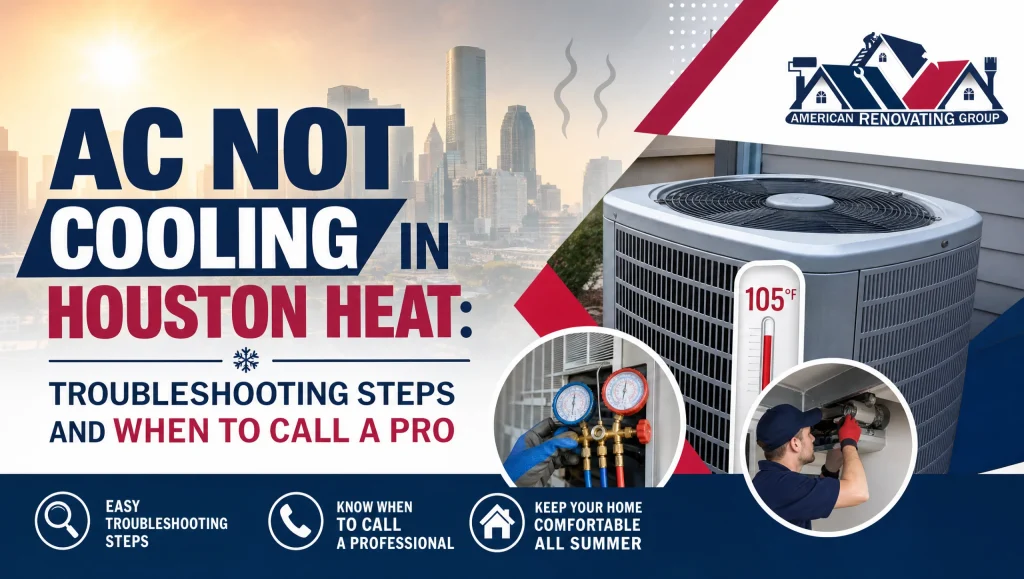
Warm air from the vents? Start with safe air conditioner troubleshooting, then contact American Renovating Services Group in Houston if issues persist.
Immediate call situations
- Burning or electrical smell
- Breaker that trips again after one safe reset
- Iced indoor coil or lines
- Water leaks near the furnace/air handler or in the attic
- Outdoor unit not running while the indoor blower is, or vice versa
- No cooling during extreme heat, especially with elderly, infants, or health concerns at home
24/7 emergency AC considerations during extreme heat
Houston’s heat and humidity can become unsafe indoors quickly. If simple checks don’t restore cooling and temperatures are climbing, call for emergency AC help. We’re available 24/7 for inquiries at +1 (346) 666-7705 to guide next steps and schedule service.
What information to have ready
- Last filter change and current thermostat settings
- Breaker status and any resets attempted
- Any unusual noises, smells, or observed ice/water
- Whether the outdoor unit is clear and the fan is spinning
What to Expect from a Service Visit in Houston
Diagnostic steps a pro may take
- Measure temperatures and pressures to evaluate system charge and performance
- Inspect the thermostat, controls, and electrical components
- Check indoor and outdoor coils, blower, and condenser fan operation
- Verify condensate drain operation and safety switches
- Assess duct condition and airflow balance, especially in older or renovated homes
Typical next steps after diagnosis
- Repair options: From clearing drains and cleaning coils to replacing failed capacitors, contactors, fans, or other components
- Refrigerant-related repairs: Leak search, approved repair, and system recharge performed by a certified technician
- Maintenance recommendations: Filter schedule, coil cleaning cadence, and drainage upkeep tailored to your home or apartment
- Comfort and efficiency advice: Thermostat settings for humidity control and practical ways to reduce cooling load
Preventive Tips Before Peak Houston Heat
Filter changes, outdoor coil cleaning, thermostat calibration, annual maintenance
- Set a recurring reminder to check filters monthly in summer; replace as needed.
- Keep vegetation and debris away from the outdoor unit and schedule gentle coil cleaning annually.
- Verify thermostat accuracy and consider professional calibration during tune-ups.
- Book annual maintenance in spring to catch issues before the first major heat wave. For planning help across projects, see our essential home renovation tips.
Smart thermostat use for humidity and comfort
Many smart thermostats allow dehumidification settings or better staging control. Optimized schedules help manage both temperature and humidity in Houston’s climate. If you’re upgrading, explore smart home renovation and thermostats for practical guidance.
Sealing and insulation to reduce AC load
Air sealing and attic insulation improvements keep cool air in and hot, humid air out—making your AC’s job easier. Thoughtful upgrades can lower run times and even out temperatures across rooms. See our energy-efficient home upgrades for ideas that pair well with HVAC tune-ups.
First-hand experience from the field
On a recent Houston service call, we found an AC blowing warm air because a clogged filter had iced the indoor coil. After replacing the filter and letting the system thaw, cooling returned—but we still cleaned the condenser and cleared the drain to help prevent a repeat during the next heat wave. Simple checks made a fast difference, and a quick tune-up helped lock in the fix.
Decision Tree: What to Try, What to Avoid, and Next Steps
Start here:
1) Is the thermostat in Cool with Fan on Auto and the setpoint 3–5°F lower than room temp?
– No: Update settings and wait 15–30 minutes.
– Yes: Go to step 2.
2) Is the filter clean and are vents/returns open and unblocked?
– No: Replace/clean, open vents, clear returns; wait 30–60 minutes.
– Yes: Go to step 3.
3) Is the outdoor unit clear with 2–3 feet of space and the top fan spinning when cooling is called?
– No: Clear debris and brush back vegetation. If the fan doesn’t run, call a pro.
– Yes: Go to step 4.
4) Any ice on copper lines or the indoor coil? Any water in the drain pan?
– Yes: Turn system Off, set Fan to On to thaw, and call a pro.
– No: Go to step 5.
5) Did the breaker trip? Any burning smell?
– Breaker tripped: Reset once. If it trips again, leave off and call.
– Burning smell: Turn off immediately and call.
– Neither: If cooling is still weak or you feel warm air from vents, schedule service—possible refrigerant or component issue.
Safety reminders—do not:
- Open sealed panels or handle refrigerant
- Perform live electrical testing
- Pressure-wash the outdoor coil (it can damage fins and drive water into components)
- Run the AC with a known iced coil (risk of compressor damage)
How American Renovating Services Group Can Help
Local HVAC service for Houston homes and apartments
As a Houston-based team, we understand how heat and humidity strain systems in apartments and single-family homes across the city. From air conditioner troubleshooting and coil cleaning to drainage fixes and electrical repairs, we handle the details so your space stays reliably comfortable. Explore our broader Houston renovating services for support beyond HVAC: https://americanrenovating.com/
24/7 availability for inquiries: +1 (346) 666-7705
Not sure if it’s an emergency AC situation? Call us anytime. We’ll help you decide on immediate steps, schedule service, and keep you informed at every stage.
Calm next steps and closing guidance
If you’re facing AC not cooling Houston heat, start with the quick thermostat, filter, and outdoor unit checks above. If you see ice, smell something burning, experience repeated breaker trips, or still get warm air from vents after basic steps, turn the system off and contact a licensed pro. American Renovating Services Group is here for Houston apartments and homes with practical help and 24/7 availability for inquiries at +1 (346) 666-7705. For long-term comfort, consider small improvements like better filtration, smart thermostat schedules, and efficiency upgrades that reduce your AC’s workload during peak heat.
Helpful resources:
- Houston renovating services: https://americanrenovating.com/
- Energy-efficient home upgrades: https://americanrenovating.com/energy-efficient-home-upgrades-eco-friendly-remodeling-savings/
- Smart home renovation and thermostats: https://americanrenovating.com/smart-home-renovation-upgrade-with-modern-tech-automation/
- Essential home renovation tips: https://americanrenovating.com/renovation-tips/
Photo caption (suggested): AC not cooling Houston—outdoor condenser cleaning
Image alt text: AC not cooling Houston outdoor condenser being gently cleaned and cleared of debris
Frequently Asked Questions
Why is my AC not cooling Houston home or apartment?
Short answer: Start with thermostat mode, a clean filter, open vents/returns, and a clear outdoor unit. If you see ice, smell burning, or a breaker trips again after one reset, turn it off and call a licensed HVAC pro.
Expanded answer: In Houston, many “no cool” calls are airflow or control issues. Verify the thermostat is on Cool with Fan on Auto and lower the setpoint 3–5°F. Replace a dirty filter, open supply vents, and clear return grilles. Outside, keep 2–3 feet of clearance around the condenser. Check the AC breaker and allow one safe reset if needed. Turn the system off and call a pro if you see ice on copper lines, smell burning, notice repeated breaker trips, or still get warm air after basic checks.
What are the first safe DIY checks for AC not cooling Houston heat?
Short answer: Thermostat settings, filter, vents/returns, outdoor clearance, a single breaker reset, and an accessible condensate pan.
Expanded answer: Confirm Cool/Auto at the thermostat and lower the setpoint 3–5°F. Replace or clean the filter and open all supply vents; clear dust and obstructions from return grilles. Outside, remove leaves and debris; maintain 2–3 feet of clearance around the unit. If the AC breaker is tripped, reset it once. If you have an accessible drain pan that’s full, empty it and clear the drain line with a wet/dry vacuum at the outside termination. If you’re unsure or anything looks unsafe, stop and call a pro.
When should I turn the AC off and call a pro immediately?
Short answer: Ice on lines or the indoor coil, burning/electrical smells, or a breaker that trips again after one safe reset.
Expanded answer: Shut down the system at the thermostat if you see icing and set the fan to On to help thaw. Do not chip ice or open sealed panels. Any burning smell requires immediate power-down and a call for service. If a breaker trips, you can attempt one reset; repeated trips mean leave it off and get professional help.
Why does Houston humidity make AC airflow and drainage so critical?
Short answer: High humidity increases moisture removal, so restricted airflow can freeze coils and clogged drains can trigger safety switches.
Expanded answer: In our climate, your AC is constantly dehumidifying. Dirty filters, closed vents, or blocked returns restrict airflow, which can freeze the indoor coil and stop cooling. At the same time, condensate drains are heavily used; clogs or a full pan can trip a float switch that shuts the system down to prevent water damage.
Is it safe to reset an AC breaker?
Short answer: Once is reasonable if there’s no burning smell and the breaker isn’t hot. If it trips again, leave it off and call a pro.
Expanded answer: Find the labeled AC/HVAC breaker, switch it fully Off, then back On. Do not keep retrying a breaker that trips again. Repeated trips signal an electrical or component issue that needs professional diagnosis.
Why am I getting warm air from vents?
Short answer: Wrong thermostat settings, a dirty filter or blocked returns, iced coils, or possible refrigerant concerns.
Expanded answer: Ensure Cool/Auto is selected and avoid Fan set to On (that can feel like warm air). Replace the filter and open vents/returns. If you spot ice on copper lines, shut the system off and call. If no improvement in 30–60 minutes after basics, you may have a refrigerant or component issue that requires a licensed technician.
What if airflow is weak in multiple rooms?
Short answer: Replace the filter and clear returns. If airflow is still weak, call a pro to check ducts and the blower.
Expanded answer: Persistent weak airflow can be a clogged filter, blocked returns, crushed/disconnected ducts (especially in attics or older Houston homes), or a failing blower motor. After swapping the filter and opening vents, schedule service if the issue continues.
The outdoor unit runs but it won’t cool enough—what now?
Short answer: Clear debris and ensure 2–3 feet of space around the condenser; if no improvement within an hour, call for service.
Expanded answer: A dirty outdoor coil, a failing condenser fan, refrigerant concerns, or sizing/design issues may be at play. Gently clear debris and restore airflow around the unit. If cooling still lags, you’ll need a professional to clean coils, test components, and check system charge.
How do I know if I have refrigerant concerns—and can I fix it myself?
Short answer: Signs include iced lines, hissing at connections, and long runtimes with poor cooling. Don’t DIY—call an EPA-certified technician.
Expanded answer: Visible frost on copper lines by the air handler, hissing near refrigerant connections, or an AC that runs constantly but can’t reach setpoint are red flags. Turn the system off to protect the compressor. U.S. law requires EPA certification to handle refrigerants; a licensed pro will test, find leaks, repair, and recharge properly.
When is it an emergency AC situation in Houston?
Short answer: No cooling during extreme heat, burning smells, repeated breaker trips, icing, water leaks, or a non-running indoor/outdoor unit mismatch.
Expanded answer: Houston heat and humidity can become unsafe indoors quickly—especially for infants, elderly, or anyone with health concerns. If simple checks fail and temperatures are climbing, call for emergency AC help. American Renovating Services Group is available 24/7 for inquiries at +1 (346) 666-7705.
What information should I have ready when I call?
Short answer: Thermostat settings, last filter change, breaker status, any ice/water/burning smells, and whether the outdoor fan is spinning.
Expanded answer: Share what you checked (thermostat mode/setpoint, filter/vents/returns, outdoor clearance), breaker reset attempts, unusual noises/smells, signs of ice or a full drain pan, and whether the outdoor unit and indoor blower are both running. This helps the technician prioritize diagnostics.
How can I prevent AC not cooling issues before peak heat?
Short answer: Check filters monthly, keep the outdoor coil area clear, book annual maintenance, and optimize thermostat settings.
Expanded answer: Set reminders to inspect filters monthly in summer; replace as needed. Maintain 2–3 feet of clearance around the outdoor unit and schedule gentle coil cleaning annually. Book spring maintenance to catch issues early. For longer-term comfort, consider efficiency upgrades that reduce AC load: energy-efficient home upgrades and smart thermostat improvements. See: https://americanrenovating.com/energy-efficient-home-upgrades-eco-friendly-remodeling-savings/ and https://americanrenovating.com/smart-home-renovation-upgrade-with-modern-tech-automation/. For broader support, visit our Houston renovating services page: https://americanrenovating.com/.
Real field insight from our Houston team
On a recent call, a home’s AC blew warm because a clogged filter led to an iced indoor coil. After replacing the filter and allowing a full thaw, we gently cleared debris around the condenser and flushed the drain line. Cooling stabilized quickly, and a short tune-up helped prevent a repeat during the next heat wave.
Need help now? Call American Renovating Services Group at +1 (346) 666-7705. We’re local, responsive, and here to help keep your home or apartment comfortable.