

Occupied apartment renovations sound straightforward on paper. Upgrade units, improve the property, increase value. In reality, it’s one of the trickier things you can do in multifamily.
You’re not working in an empty building. You’re working around people’s routines, sleep schedules, parking habits, pets, kids, and expectations. In a place like Houston, where residents have plenty of options, it doesn’t take much friction for someone to start thinking about moving.
That’s why these projects aren’t just construction jobs. They’re operational projects. If the plan doesn’t account for how people live day to day, things can go sideways fast.
What Occupied Apartment Renovations Really Involve
Occupied apartment renovations mean the work is happening while people are still living in the community. Sometimes it’s just common areas. Sometimes it’s inside the units themselves.
That changes everything.
Now you’re dealing with:
- Notices on doors that may or may not get read
- Residents who aren’t home when crews show up
- People working night shifts who sleep during the day
- Parking changes that nobody loves
- Noise complaints that come in within minutes, not hours
On a vacant project, you can push hard and move fast. On occupied apartment renovations, you have to pace the job so the property can still function.
You’re not just managing trades. You’re managing expectations.
Why Tenant Disruption Is the Biggest Risk
The construction itself is rarely the main problem. It’s how people experience it.
A project can be technically perfect and still create a mess if residents feel blindsided or constantly disrupted. That’s where tenant disruption renovation becomes the real issue.
Here’s what usually starts happening when things aren’t handled well:
- The office starts getting flooded with complaints
- Online reviews take a hit
- Renewals drop off quietly
- Staff spends more time putting out fires than managing the property
And once that tone is set, it’s hard to recover mid-project.
Most residents don’t expect zero disruption. They expect reasonable disruption. Predictable. Communicated. Controlled.
When that line gets crossed, the project starts costing more than just construction dollars.
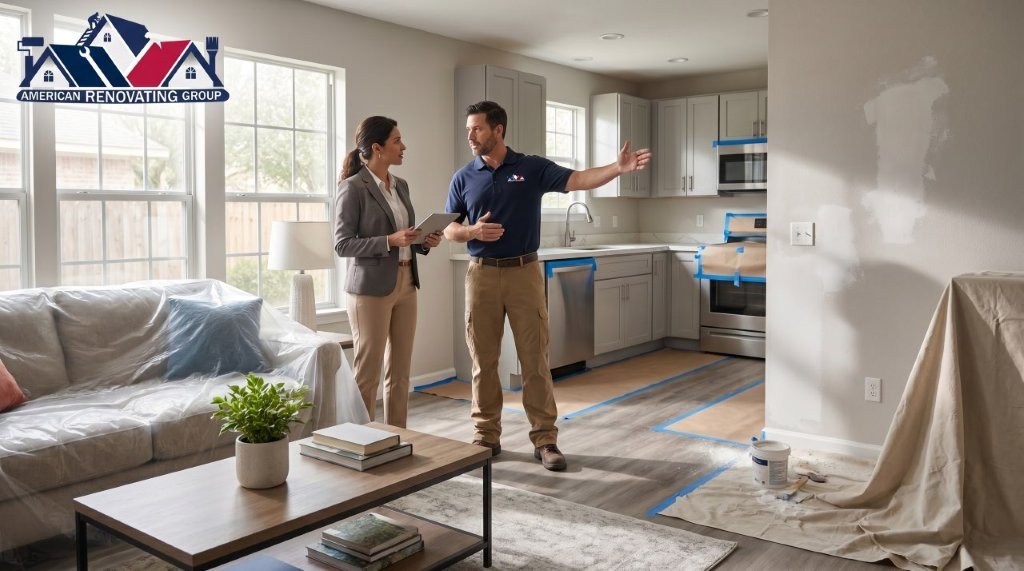
Coordination walkthrough during an occupied apartment renovation, balancing upgrades with resident living conditions.
Planning Occupied Apartment Renovations the Right Way
If there’s one place to get this right, it’s the planning stage. Once crews are on site, it’s much harder to fix structural mistakes in the schedule.
A solid plan for occupied apartment renovations usually comes down to a few key things:
Clear Scope
You need to know exactly what’s being touched. Scope creep in occupied work doesn’t just slow you down. It confuses residents and throws off every schedule you’ve communicated.
Phasing That Makes Sense
Trying to do everything everywhere at once rarely works. Breaking the project into sections gives you control. It also limits how many residents are dealing with disruption at the same time.
Access Planning
If crews need to enter units, this is where projects either stay on track or fall apart. Missed access windows waste labor and frustrate residents. You need a system for notices, confirmations, and rescheduling.
Trade Coordination
Electricians, painters, flooring crews, plumbers. If they’re not lined up properly, you’ll end up with overlap, delays, and repeat disruptions in the same unit or building.
Cleanliness and Safety
In an occupied property, leaving debris in a hallway isn’t just sloppy. It’s a problem. People are walking through these areas constantly. It has to be clean every day, not just at the end of the job, and aligned with construction safety best practices.
7 Practical Ways to Reduce Resident Disruption
There’s no magic fix here. It’s a series of small decisions done right.
1. Phase the Work Properly
Don’t spread the project too thin. Focus on one section, complete it, then move on. It keeps things contained and easier to manage.
2. Stick to Consistent Working Hours
What usually causes the most complaints isn’t noise. It’s unpredictable noise. Set clear hours and stick to them. Residents can plan around that.
3. Communicate Before Problems Start
If the first time residents hear about the work is when the noise starts, you’re already behind. Give notice early, then remind them again closer to the work.
4. Keep Common Areas Clean Daily
End of the week cleanup doesn’t cut it. People notice what they walk through every day. Clean hallways and walkways reduce complaints more than most teams expect.
5. Get Unit Access Right the First Time
Missed appointments are expensive. For you and for the resident. Confirm access clearly and have a plan when someone isn’t home.
6. Avoid Repeated Disruption
If you’re going into a unit, try to complete as much as possible in one visit. Coming back multiple times for different trades wears down patience quickly.
7. Give Residents a Clear Contact Person
When something goes wrong, and something always does, residents need to know exactly who to call. Not the office, not the contractor, not “someone.” One clear contact.
Communication Matters More Than Most Teams Expect
Most problems in occupied apartment renovations don’t come from the work itself. They come from poor communication around the work.
Residents don’t need technical details. They need clarity:
- What’s happening
- When it’s happening
- How it affects them
- Who to contact
And this isn’t a one-time message. It has to be repeated.
In larger Houston properties, especially, a single email or notice gets ignored. Reminders matter. Updates matter. Even short check-ins help keep things under control.
When communication drops off, complaints go up. It’s almost automatic.
Scheduling Decisions That Protect Occupancy
Scheduling looks simple until you’re dealing with real people living in the space.
Here’s what tends to make a difference:
Timing Around Daily Life
Early mornings and evenings are usually when complaints spike. Midday work tends to be easier for most residents to tolerate.
Leasing Activity
If you’re showing units or trying to push renewals, heavy visible disruption can hurt you more than expected.
Choosing the Right Approach
Sometimes unit-by-unit works best. Sometimes building-by-building is cleaner. It depends on the scope and how invasive the work is.
Leaving Room for Delays
Tight schedules look good in meetings. In reality, access issues, material delays, and small surprises happen constantly. Build in some breathing room.
Common Mistakes That Lead to Complaints and Turnover
Most issues aren’t complicated. They’re just overlooked.
Late or Weak Notices
If residents feel surprised, they’re already frustrated.
Too Many Trades at Once
Crowding multiple crews into the same area creates noise, confusion, and a lack of accountability.
Ignoring the Resident Experience
It’s easy to focus on the job. But from the resident’s point of view, it’s their home being disrupted.
Poor Coordination Between Teams
If onsite staff and vendors aren’t aligned, residents get mixed messages. That’s when trust drops.
Pushing Too Fast
Speed matters, but not at the cost of control. A rushed project often creates more disruption than it saves in time.
What We See Repeatedly in the Field
What usually causes trouble isn’t the construction itself. It’s the coordination around it.
Access gets missed. Notices go out late. One trade runs behind and everything stacks up behind it. Suddenly, the schedule doesn’t match what residents were told.
The properties that handle occupied apartment renovations best are the ones that treat logistics like part of the job, not something to figure out on the fly.
Clean site. Clear schedule. Consistent communication.
It sounds simple. It rarely is.
Occupied vs Vacant Unit Renovations
Not every project should be done while units are occupied.
Occupied work makes sense when:
- You need to keep revenue steady
- The scope is manageable in phases
- The disruption can be controlled
Vacant work makes more sense when:
- The project is invasive
- Utilities will be heavily affected
- You need speed without interruption
There’s no one-size answer. It depends on the property, the market, and how much disruption you can realistically manage. Teams comparing turn unit renovation process planning with occupied work usually need to weigh speed against resident impact.
Why Professional Planning Matters
At the end of the day, this isn’t just about upgrading finishes. It affects how the property operates day to day.
A well-planned project keeps things moving without overwhelming residents or staff. A poorly planned one turns into constant damage control.
A good renovation partner won’t promise a perfect job. That’s not realistic. What they should do is help structure the work so it runs smoothly, stays coordinated, and minimizes unnecessary disruption.
For Houston properties, that kind of practical planning is often what keeps an upgrade project from becoming a resident retention problem. That’s also why many owners start by reviewing multifamily renovation contractors and apartment renovation services in Houston before the first phase begins.
FAQ
How do you plan renovations in an occupied apartment building?
Start with a phased plan, clear scheduling, and strong communication with residents.
Most successful projects are broken into sections so disruption stays contained. You also need clear timelines, coordinated trades, and a communication plan that keeps residents informed before and during the work. Without that structure, even simple upgrades can turn into ongoing issues.
What is the biggest challenge in occupied apartment renovations?
Managing resident disruption while keeping the project on schedule.
The construction itself is usually manageable. The bigger challenge is balancing noise, access, and daily routines while still moving the project forward. That’s why planning and communication are just as important as the actual work.
How can tenant disruption be minimized during renovations?
Use phased scheduling, consistent work hours, and clear communication.
Residents are more tolerant when disruption is predictable. Limiting work to set hours, giving advance notice, and avoiding repeated interruptions in the same unit or area helps reduce complaints. Clean job sites and coordinated crews also make a noticeable difference.
Do residents need to leave during apartment renovations?
In most cases, no—but it depends on the scope of work.
For lighter upgrades, residents can usually stay in place with minimal disruption. More invasive work, especially involving plumbing or electrical systems, may require temporary adjustments or access scheduling to complete safely and efficiently.
How long do occupied apartment renovations usually take?
They typically take longer than vacant renovations due to coordination and access.
Timelines depend on the size and scope of the project, but occupied work involves more variables. Scheduling around residents, managing access, and phasing the work all add time compared to working in empty units.
What types of renovations are best suited for occupied units?
Light to moderate upgrades that can be completed quickly and in phases.
Projects like flooring updates, cabinet replacements, lighting upgrades, and minor repairs are often manageable in occupied settings. Larger, more disruptive work is usually better handled when units are vacant to avoid unnecessary inconvenience.
How do property managers communicate renovation schedules to tenants?
Through a mix of notices, reminders, and consistent updates.
Effective communication includes advance notices, follow-up reminders, and clear instructions for access or scheduling. In larger properties, repeating the message through multiple channels helps ensure residents are aware and prepared.
What are common mistakes during occupied apartment renovations?
Poor communication, overlapping trades, and inconsistent scheduling.
Many problems come from avoidable issues like late notices, missed access appointments, or too many crews working at once. These create confusion and frustration, which can impact resident satisfaction and project flow.
Are occupied apartment renovations worth the effort?
Yes, when done with proper planning and execution.
Occupied apartment renovations allow properties to improve without waiting for full vacancy cycles. When managed correctly, they help maintain revenue while upgrading the asset, but they require more coordination than standard renovations.
When should renovations be done in vacant units instead?
When the work is too disruptive or requires extended access.
Projects involving heavy demolition, major system upgrades, or long timelines are usually better suited for vacant units. This avoids repeated disruption and allows work to move faster without impacting residents.
Why is coordination so important in occupied apartment renovations?
Because multiple moving parts affect both the project and the residents.
In occupied apartment renovations, delays in one trade can affect scheduling, access, and communication across the entire property. Strong coordination keeps the project organized and reduces unnecessary disruption for everyone involved.
Conclusion
Done right, occupied apartment renovations improve a property without driving residents away. Done poorly, they create frustration, complaints, and turnover that can outweigh the benefits of the upgrades.
The difference usually comes down to planning, communication, and execution. When tenant disruption renovation risks are taken seriously and managed properly, properties can upgrade while keeping operations stable.
If you’re planning a renovation in Houston and want a process that actually works in real conditions, American Renovating Group approaches these projects with a focus on coordination, clarity, and keeping the property running while the work gets done.