

Apartment community renovations are a pain if you don’t nail communication and team performance. Let’s cut the fluff: You’re managing occupied units, so noise, dust, and inconvenience hit residents hard. Screw this up, tenants get mad, turnover spikes, and your ROI tanks. Here’s the real deal to keep your renovation projects tight, your residents calm, and your timelines sharp.
Step one: Tell tenants what’s coming—early and clearly.
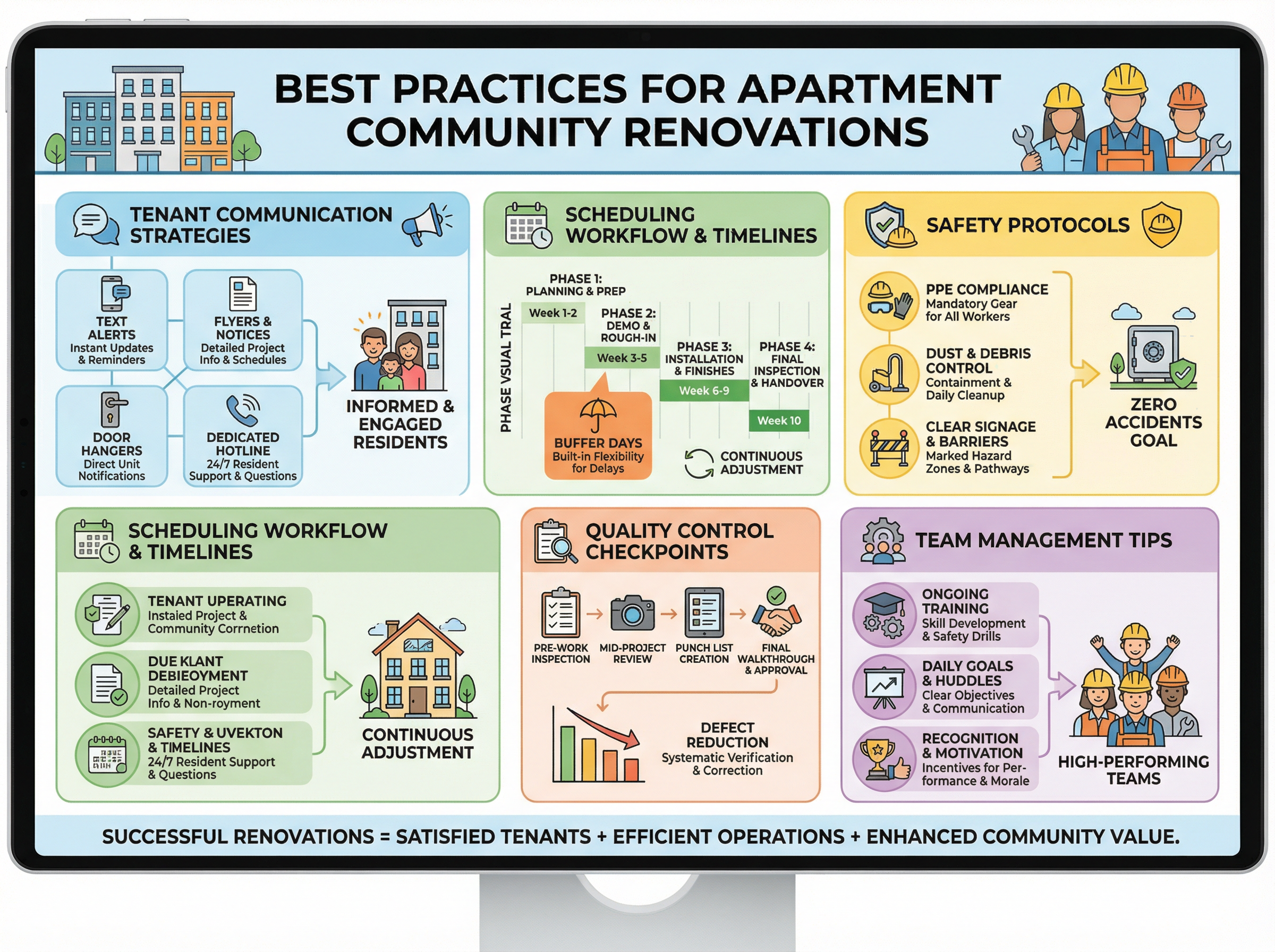
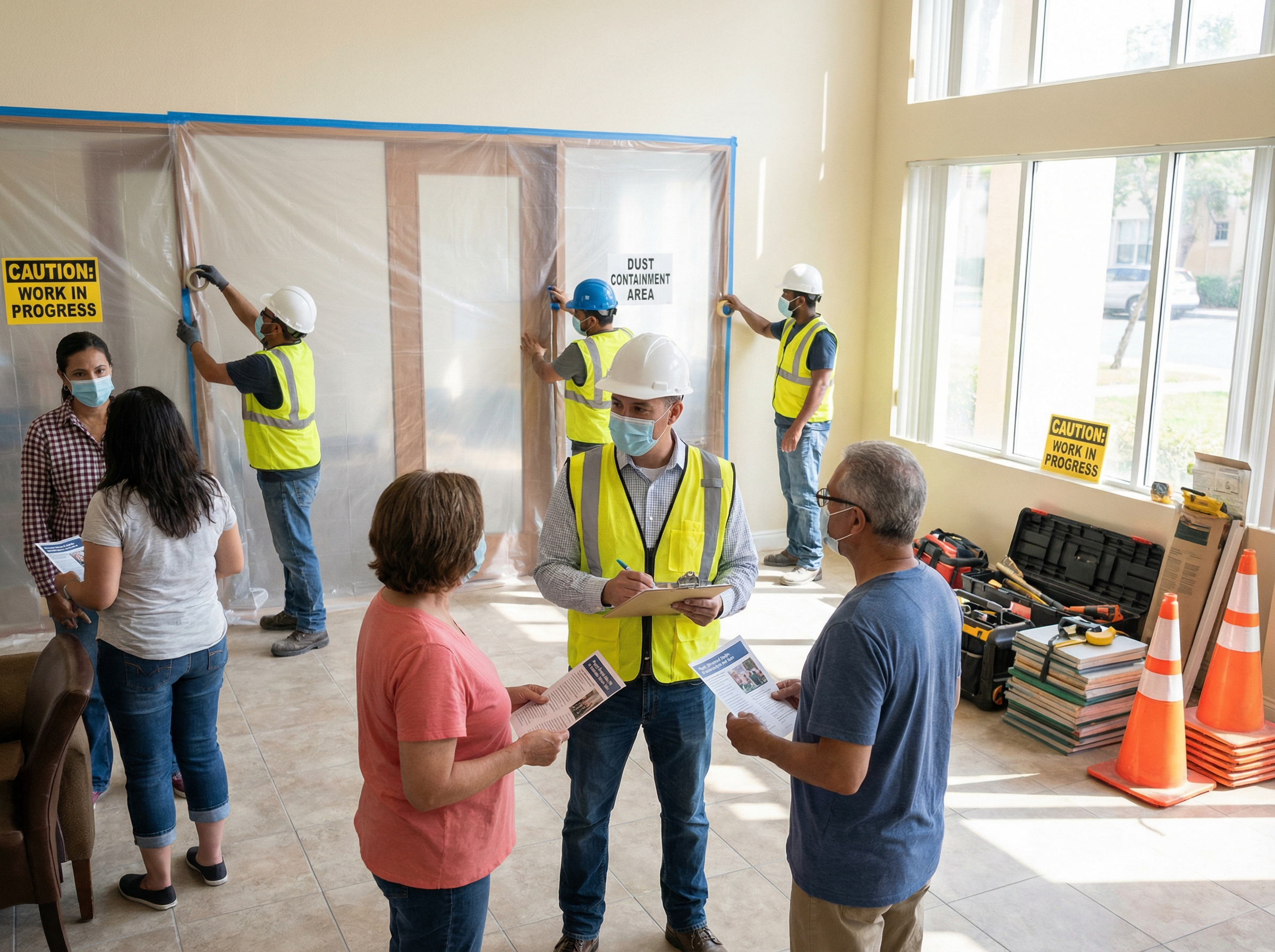
Don’t just blast an email and hope for the best. Start with a detailed communication plan outlining what’s happening, when, for how long, and why. Use multiple channels—texts, flyers in the lobby, door hangers, and a dedicated hotline or email address for questions. Residents want to feel respected, not blindsided. A quick heads-up on noise or access schedules cuts down complaints massively.
Set expectations straight from day one. Be honest about disruptions. Example: “Unit turns may involve entry during business hours, dust control measures will be in place, and we aim to finish your unit in X days.” Frequent updates matter: weekly progress emails or a project status board in the clubhouse do wonders. Address concerns immediately—don’t let frustration bubble.
Planning your workflow is non-negotiable.
Break it down: identify capital improvement projects and routine maintenance separately. For occupied units, schedule work to minimize overlap—don’t bang on every door on Monday expecting to finish Friday. Use project management tools to sync scheduling, access, and contractor assignments. Pro tip: Plan buffer days for delays, especially in common areas where you can’t lock down access.
Access and safety need killer protocols.
Coordinate with residents on entry times to avoid surprises. Lockboxes or keycards can ease access but keep strict logs. Dust containment, proper signage, and PPE (personal protective equipment) for workers show you respect tenant health and build trust.
Quality control is your secret weapon.
Don’t rely on magic—inspect every step. Punch lists post-renovation catch unfinished or sloppy work. For unit turns, have a dedicated QA person walk through before handing keys back. Fix issues fast or risk long vacancy periods. On-site performance improves when every team member knows quality isn’t optional.
Building your team?
Hire people who get occupied renovations. Train on tenant interaction—politeness, responsiveness, transparency. Run drills on emergency protocols and project standards. Set daily goals and hold quick stand-up meetings to boost focus. Incentivize hitting timelines without cutting corners. Efficiency is about accountability and motivation, not luck.
Here’s a scenario:
You’re turning 20 units. Schedule prep, demo, repairs, finishing in tight slots per unit. Your communication blitz precedes the first day. Your team hits these steps with set expectations for noise and timing. Quality control teams move in before tenants return. The result? Faster turns, happier residents, solid reputation.
Capital projects like lobby updates or pool renovations add complexity.
Communicate externally—signs around the property, email blasts to explain benefits and timelines. Schedule noisy or intrusive work during low-traffic times to reduce complaints. And again, safety first—cordon off zones and keep access clear for emergency exits.
Stop guessing your renovation success on hope.
Plan your workflow, communicate relentlessly, build a team that performs under pressure, and keep tenant satisfaction front and center. It’s not rocket science but requires discipline.
If you want a partner who gets the nitty-gritty of apartment community renovations, and can help you nail timelines and tenant relations, check out American Renovating. They offer expert guidance and smooth execution. You can get a free quote at https://americanrenovating.com/free-quote. No pushy sales, just straight talk and proven results.
Ready to cut renovation chaos and make your next project a win? Seriously, give them a look. You’ll thank me later.