

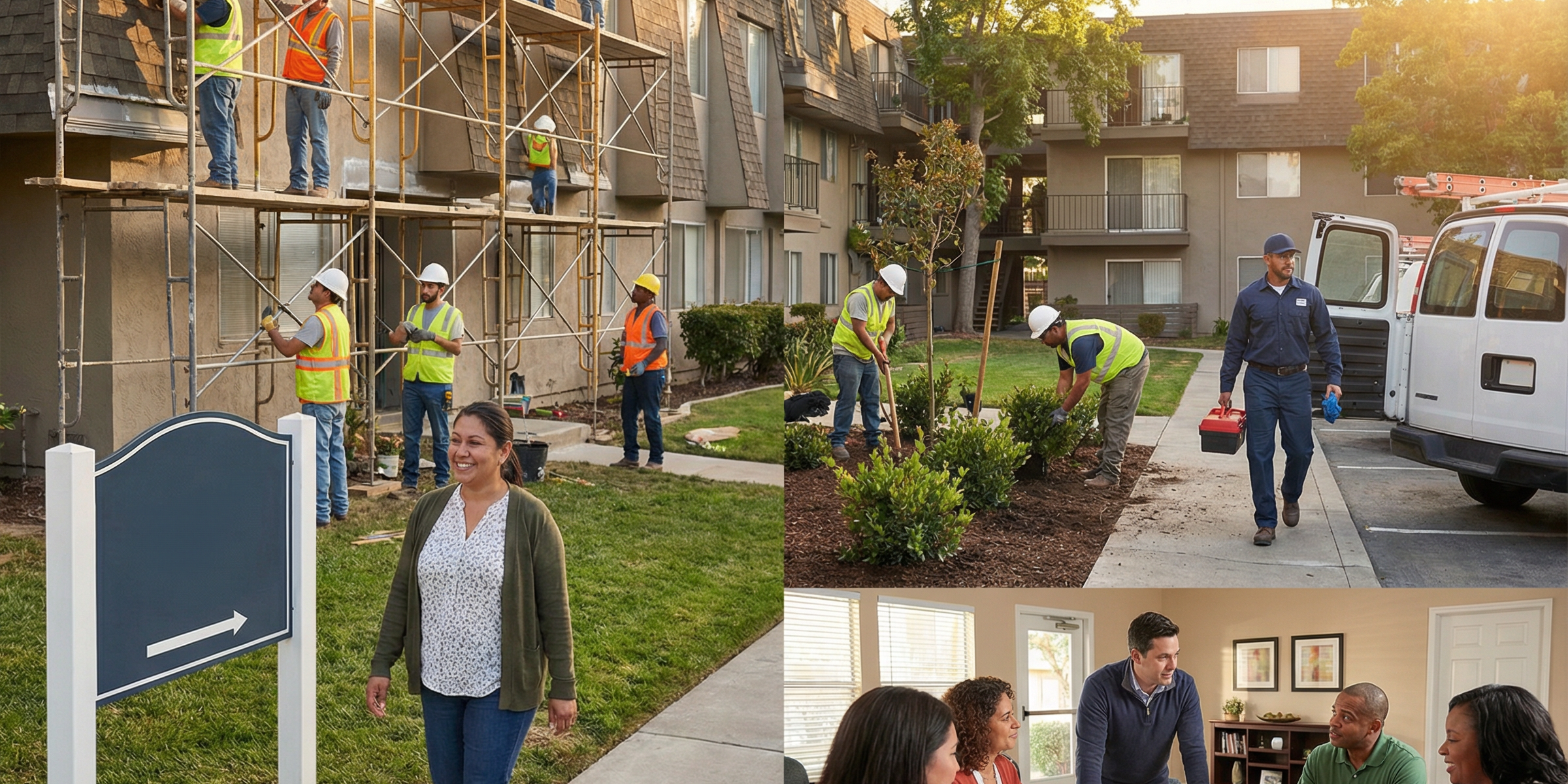
Apartment community renovation and maintenance poses unique challenges—if you screw it up, expect angry tenants, delays, and escalating costs. Done right, though? Happier residents, smoother operations, and better ROI. Here’s your no-BS, fast-track guide.
First, understand your residents. They want transparency, minimal disruption, and quality results. Don’t guess—ask through brief surveys or feedback sessions. Know what matters: noise levels, timing, safety, and clear communication. Ignoring this is your first mistake.
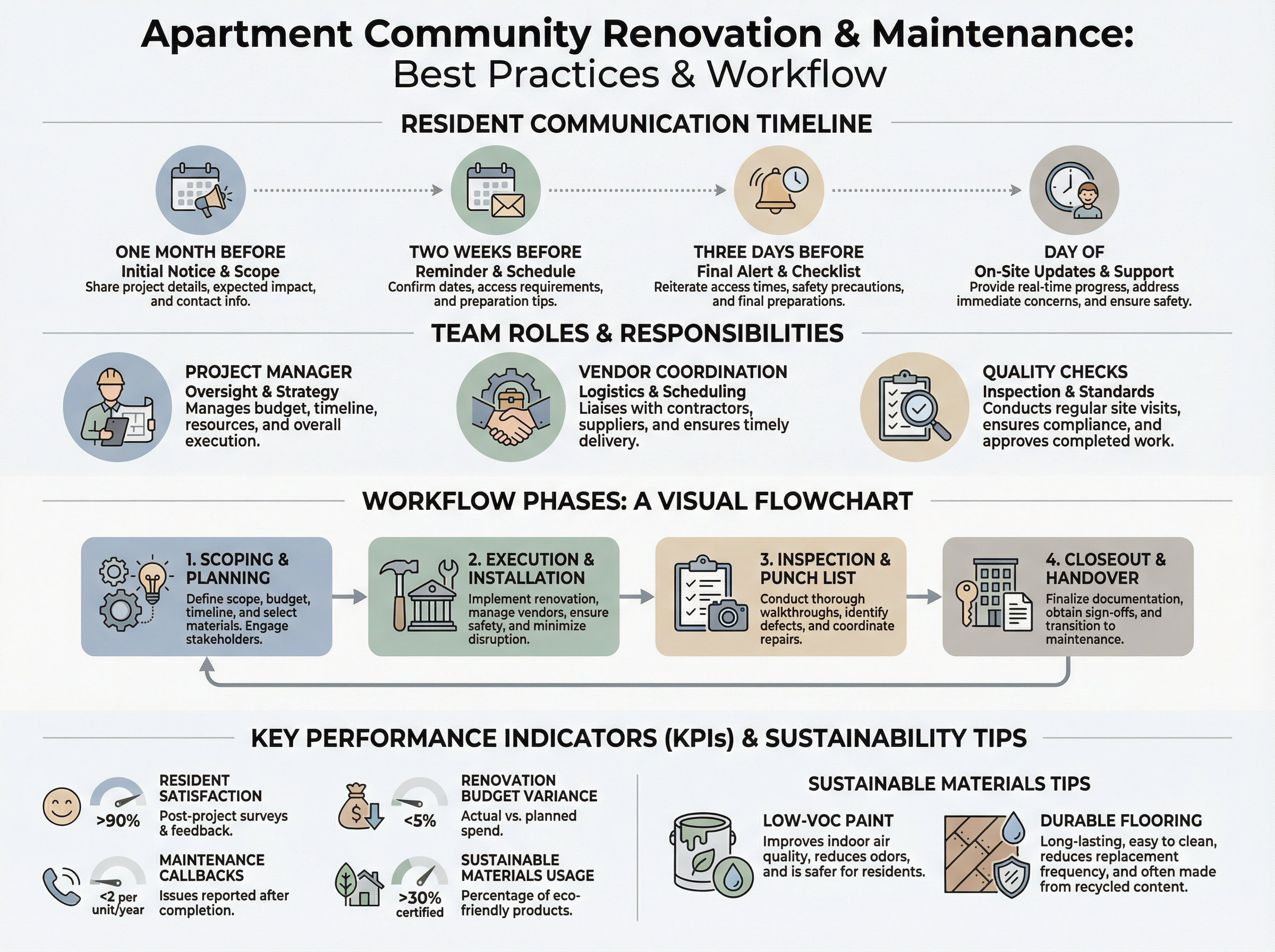
Communication is your weapon. Build a tenant education plan with clear timelines, disruption warnings, and what to expect. Use staggered notices: an initial heads-up a month before, reminders two weeks and three days out, and day-of alerts. Templates must be brief, clear, and jargon-free. Texts hit better than emails. Visual aids—like simple infographics—help immensely.
Team building can make or break your renovation and maintenance projects. Hire or designate a project manager who handles scheduling, vendor coordination, and resident liaison. Consolidate vendors where possible—fewer cooks, less chaos. Your crew needs clear roles: who does scopes, purchases, quality checks, and closing reports. Cross-train for backup but avoid task overlap. Nobody likes finger-pointing.
Training is often neglected. Invest in quick, practical sessions—think safety protocols, repair standards, and timeline awareness. Use real project examples, not theory. Track improvements with before/after snapshots and timeline adherence. Safety lapses? They kill productivity and reputation.
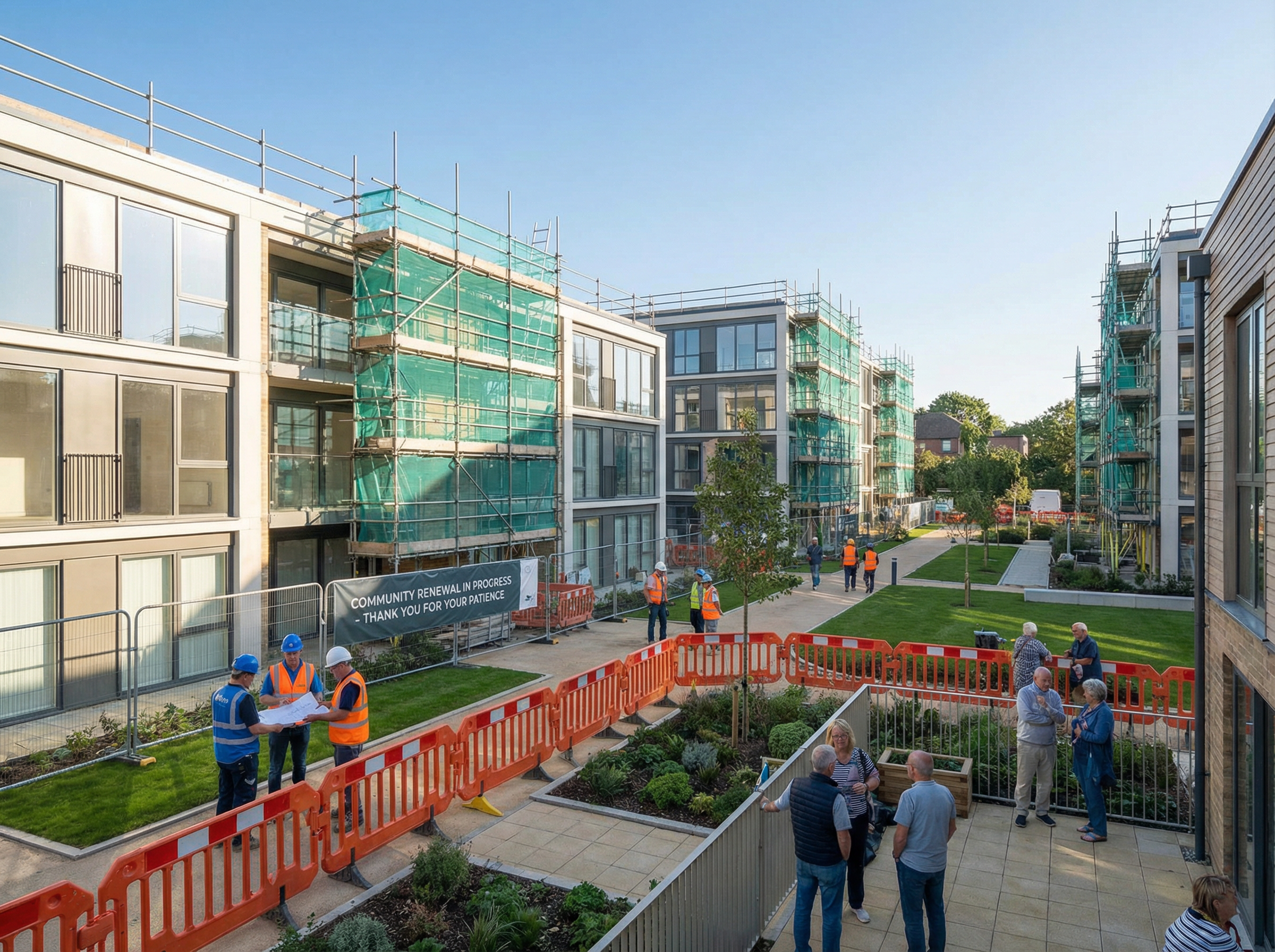
Workflow must be tight. Start with scoping: detailed checklists covering paint, flooring, HVAC, plumbing, electrical, cabinets, windows, and common areas. Use standard templates—don’t reinvent the wheel every time. Schedule work in phases: prep, execution, inspection, and closeout. Closeout includes punch lists and resident feedback collection. Feedback is gold for continuous improvement.
Unit turns? Speed and quality are king. Use KPIs like days on market post-renovation, number of touch-ups, and resident satisfaction scores. Watch for common pitfalls: delayed deliveries, incomplete scopes, or ignoring resident access needs.
Occupied unit maintenance is the trickiest—respect privacy and schedules. Offer flexible windows for access and communicate every step. Quick fixes like replacing light bulbs or minor plumbing require less prep, but big stuff demands documented consent and impact notices.
Some real-world pearls: Painting is often underestimated—use low-VOC options to reduce odors. Flooring—opt for durable, easy-clean materials to cut future maintenance. HVAC? Regular filter changes can prevent costly repairs. Plumbing and electrical? Catch issues early; a flood or outage kills goodwill. Cabinets and windows may feel cosmetic but dramatically boost satisfaction. Don’t ignore exterior upgrades: landscaping, lighting, and common area refreshes keep value high.
KPIs matter: measure renovation budget variance, resident complaints logged, number of maintenance callbacks, and renovation project cycle time. Use these numbers to continually refine your process.
At the end of the day, the goal isn’t just fixing stuff but making the community liveable, desirable, and efficient to operate.
Want to cut through the chaos with a pro’s help? Check out this free quote from American Renovating at americanrenovating.com/free-quote—worth your time if you want to do this right without the headache.
Renovating an apartment community isn’t rocket science, but it demands sharp execution and respect for your residents. Nail those pieces above, and your properties won’t just run—they’ll thrive.
If you want to step up your game or start from scratch building an AI-powered renovation assistant to streamline all this, there’s some seriously good step-by-step training out there. It breaks down the tools and tech in a way that even the busiest property folks can handle without drowning in jargon. Dive in and see how to modernize your approach—your tenants (and sanity) will thank you.
Before you dive into implementation, consider locking in a custom renovation quote or even requesting a quick project assessment so you’re not guessing on scope, costs, or timelines.