

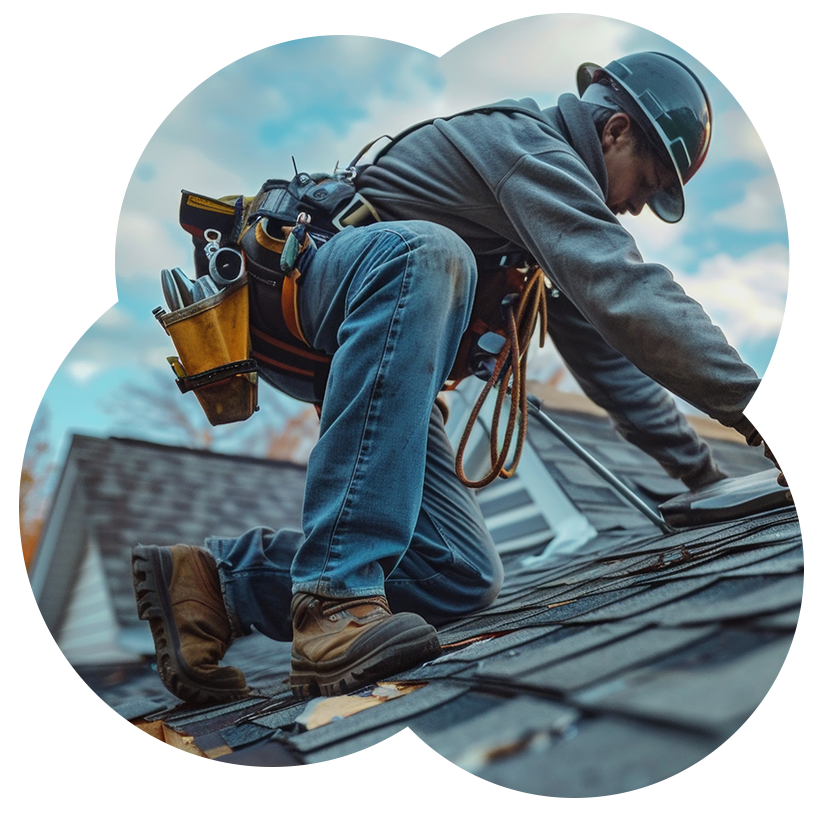

Parking Lot Striping Houston: ADA Compliance & Cost Guide
Parking Lot Striping Houston: ADA Compliance, Materials, and Cost Factors
If you manage apartments, offices, retail, or industrial properties in Houston, clear and compliant parking lot striping isn’t just a finishing touch—it’s essential to safety, traffic flow, and code compliance. At American Renovating Services Group, we deliver full-service solutions that pair precise striping with repairs, cleaning, and signage so your lot stays safe, organized, and inspection-ready. Explore our broader capabilities here: Houston renovating services for apartments and homes: https://americanrenovating.com/
Parking Lot Striping Houston refers to planning and applying durable pavement markings—stalls, ADA spaces with access aisles, directional arrows, and fire lane markings—using materials suited to Houston’s heat, UV exposure, humidity, and rainfall. Done well, it improves safety, organization, and compliance across your property.
What decision-makers want to know at a glance:
- ADA striping: required accessible stalls, access aisles, signage, and routes.
- Fire lane markings: clearly labeled curbs/lanes for emergency access.
- Thermoplastic vs paint: durability versus cost and dry-time tradeoffs.
- Re-striping timeline: inspect annually; refresh when contrast fades.
- Cost factors: lot size, layout complexity, materials, prep, and traffic control.
- Maintenance: cleaning, crack sealing, and periodic inspections.
Why Parking Lot Striping Houston Matters for Local Properties
Safety, traffic flow, and first impressions
- Safety: Bright, well-proportioned lines reduce near-misses, keep fire lanes clear, and guide pedestrians at crossings.
- Flow: Directional arrows, stop bars, and clearly marked entrances/exits curb bottlenecks—especially during peak hours.
- Curb appeal: Crisp markings instantly improve perceived cleanliness and professionalism for residents, customers, and visitors.
Houston climate considerations: heat, UV, humidity, and rain
Houston’s weather is hard on markings: intense sun and UV, frequent heavy rain events, and heat that softens asphalt and accelerates wear. Materials and application windows should reflect that reality:
- Choose coatings formulated for UV resistance.
- Consider thermoplastic in high-wear zones to hold up through summer heat.
- Time applications to avoid pop-up thunderstorms and ensure proper curing.
ADA Striping Essentials for Accessible, Compliant Lots
Required accessible spaces, access aisles, and signage basics
- Accessible stalls: Provide the required number of accessible spaces based on total stall count, with proper widths and clear adjacent access aisles.
- Access aisles: Maintain the full-width aisle alongside each accessible stall—striped with a high-contrast hatch pattern—and keep it free of obstructions.
- Signage: Use permanent, code-appropriate signs at the correct mounting height and placement to designate accessible and van-accessible spaces.
Van-accessible spacing and routes to entrances
- Van-accessible stalls: Ensure the proper width and an adjacent aisle to accommodate side-loading lifts.
- Accessible routes: Provide a continuous, marked path from accessible stalls to building entrances with compliant slopes, curb ramps where needed, and clear crosswalks.
Common ADA mistakes to avoid (faded paint, missing signage, slope issues)
- Faded paint that reduces contrast and legibility.
- Missing or damaged ADA signs, or incorrect mounting heights.
- Noncompliant slopes at stalls or routes that hinder accessibility.
- Inconsistent aisle widths or missing hatch striping patterns.
Coordination with paving, concrete, and signage teams
ADA compliance improves when the striping contractor coordinates with:
- Paving/sealcoat crews to preserve layout integrity and reapply markings immediately after resurfacing.
- Concrete teams for curb ramps and landings at proper slopes.
- Sign vendors for posts, van plates, and directional signage installed in the right sequence.
Fire Lane Markings: Keeping Emergency Access Clear
Typical curb and pavement markings, legibility, and reflectivity
- Curbs and lanes should be clearly painted with “FIRE LANE – NO PARKING” at the required intervals and heights.
- Use high-contrast, reflective options for nighttime visibility where appropriate.
- Maintain consistent font, size, and spacing so messages are unmistakable to drivers and inspectors.
Inspection readiness and maintenance after resurfacing
- Confirm fire lane continuity and spacing after any sealcoat or overlay.
- Refresh stencils as needed to match local standards and keep markings inspection-ready year-round.
- Document the layout with photos and a marked site plan for quick verification during audits.
Thermoplastic vs Paint: Choosing the Right Material
Thermoplastic benefits, best-use areas, and lifespan expectations
- Benefits: Exceptional durability, strong reflectivity with embedded glass beads, and superior wear resistance under heavy traffic and UV.
- Best use: Arrows, crosswalks, stop bars, and drive lanes in retail centers, hospitals, schools, and high-traffic access roads.
- Lifespan: Typically longer than standard traffic paint in Houston’s climate, helping reduce re-striping frequency in high-wear zones.
Traffic paint types, dry times, and cost-effectiveness
- Fast-dry traffic paint minimizes downtime—often ready for light traffic quickly—ideal for apartment communities and busy retail.
- Cost-effective for standard stalls and low-to-moderate wear areas.
- Multiple resin systems exist; we match selection to substrate (asphalt versus concrete), exposure, and schedule.
Hybrid strategies for Houston lots (high-wear vs standard areas)
A pragmatic approach for many properties:
- Use thermoplastic for high-wear elements: arrows, crosswalks, stop bars, and key legends.
- Use fast-dry traffic paint for stall lines and standard markings to manage budget and downtime.
For guidance on sustainability and lifecycle planning, see our sustainable apartment renovation resource: https://americanrenovating.com/sustainable-apartment-renovation/
Myth vs Fact: Materials
- Myth: Thermoplastic is always the best choice everywhere.
- Fact: It’s excellent for high-wear areas, but fast-dry traffic paint is often the better value for standard stalls—especially when you need quick turnarounds and periodic refreshes.
Re-Striping Timeline and Maintenance Planning
Signs you need re-striping (fading, low contrast, safety concerns)
- Faded lines, hatch marks, or arrows reducing legibility.
- Low contrast against darkened asphalt after sealcoating.
- Frequent confusion, wrong-way driving, or near-misses around crosswalks.
- ADA or fire lane markings no longer prominent from a driver’s eye view.
Typical inspection and upkeep cycles for commercial lot maintenance
- Walk your lot annually to assess contrast, completeness, and any damage.
- Schedule refreshes after sealcoating, patching, or major repairs to maintain layout integrity.
- Incorporate upkeep into your property plan; see our comprehensive guide to apartment community renovation and maintenance projects for aligning routine inspection with broader renovations: https://americanrenovating.com/comprehensive-guide-to-apartment-community-renovation-and-maintenance-projects-boost-resident-satisfaction-and-efficiency/
Surface prep: cleaning, crack sealing, and patching before lines
- Pressure-wash and degrease surfaces so coatings bond well.
- Crack seal and patch potholes before re-striping to prevent distorted lines and pooling water.
- Ensure a dry, debris-free substrate; Houston humidity and sudden showers make timing critical.
Scheduling Notes for Occupied Properties

Fresh, code-compliant striping at a Houston commercial lot featuring ADA spaces, bold fire lanes, and long-lasting thermoplastic lines.
- Coordinate closures in phases to maintain resident or customer access.
- Use wayfinding cones, signage, and barricades to reduce disruptions.
- When units or amenities are in play, pair your plan with proven communication practices: The Ultimate Renovation Communication and Workflow Playbook for Occupied Apartment Communities: https://americanrenovating.com/the-ultimate-renovation-communication-and-workflow-playbook-for-occupied-apartment-communities/
Commercial Lot Maintenance in Houston: Pro Tips
- Bundle services: Combine striping with pressure washing, crack sealing, and signage installation to minimize mobilizations and downtime.
- Think drainage: Standing water shortens coating life; address low spots and ensure curb cuts and inlets are clear before marking.
- Protect high-wear zones: Specify thermoplastic or add glass beads where turning movements, deliveries, or rideshare pickups concentrate.
- Plan around events: Schedule work around school calendars, game days, and peak retail hours to keep traffic moving.
First-hand field note from our Houston crews
On recent Houston multifamily projects, our crews scheduled night work to minimize tenant disruption, pressure-washed the substrate, and used fast-dry traffic paint for stall lines with thermoplastic on high-wear arrows and crosswalks. That blend held up well through summer heat and heavy weekend traffic.
Cost Factors Without the Guesswork
Lot size, layout complexity, materials, and stencil requirements
- Size and layout: More stalls, drive aisles, and islands require more labor and materials.
- Complexity: Angled stalls, extensive directional systems, and multiple entries/exits add time.
- Materials: Thermoplastic versus paint selection directly affects budget and expected lifespan.
- Stencils and legends: ADA symbols, “FIRE LANE – NO PARKING,” “VISITOR,” numbers, and custom branding increase scope.
Surface condition, repairs, and prep level
- Cleaning: Pressure washing or degreasing may be needed for bond and clarity.
- Repairs: Crack sealing, patching, and joint work stabilize the surface so lines last.
- Substrate: Concrete versus asphalt may require different prep or primers.
Scheduling, traffic control, and site access considerations
- Night or off-hours work helps keep businesses and communities moving but may involve lighting and extra traffic control.
- Barricades, flagging, and phased closures keep people safe and work zones clear.
- Site access, multi-building campuses, and active deliveries can affect production pace.
Bundling services (signage, wheel stops, bollards, cleaning) for efficiency
- One mobilization for striping, signage, bollard painting, wheel stops, and surface cleaning can save time and reduce disruptions.
- For multifamily, coordinate re-striping with unit turns and amenity upgrades; see Apartment Turn Timeline: 5 Essential Factors That Affect Duration: https://americanrenovating.com/apartment-turn-timeline-duration-guide/, Apartment Turns Houston: 7 Essential Steps for Faster Unit Turns: https://americanrenovating.com/apartment-turns-houston-faster-unit-turns/, and Make Ready Services: 8 Practical Steps for Faster Apartment Turns: https://americanrenovating.com/make-ready-services-apartment-turns-guide/ for related scheduling guidance.
How American Renovating Services Group Handles Striping Projects
On-site walk-through, layout verification, and compliance checks
- We review your existing plan or create a measured layout, confirm ADA counts, van-accessible placement, and fire lane continuity.
- We evaluate substrate condition and recommend prep (cleaning, crack fill, patches) before any markings go down.
Phased work plans for occupied properties and retail hours
- We build a schedule around resident and customer traffic patterns—often mixing night work, early mornings, or segmented closures—to keep access open.
- For complex, occupied sites, our team follows communication best practices to reduce friction and keep stakeholders informed.
Final punch, documentation, and maintenance schedule
- After completion, we verify counts and dimensions, walk fire lanes, and document the project with photos and an as-marked plan where needed.
- We set a maintenance reminder for annual inspections and provide a re-striping timeline tailored to your lot’s traffic and exposure.
Quick Answers for Decision-Makers
- Is thermoplastic better than paint for Houston parking lots? Often for high-wear areas. Thermoplastic typically lasts longer and handles UV and heavy traffic better, while fast-dry paint is cost-effective for standard stalls. Many properties use thermoplastic for arrows/crosswalks and paint for stalls.
- How often should I re-stripe? Inspect yearly. Re-stripe when markings lose contrast, after sealcoating, or after pavement repairs. High-traffic sites may need more frequent refreshes.
- What drives project cost? Material choice, lot size, layout/stencil count, surface prep, site access, and any traffic control or night work.
Get a Houston-Focused Striping Plan
What to bring to your estimate visit (site map, counts, hours)
- A marked site map or previous layout plan.
- Stall counts, accessible space counts, and any requested changes.
- Business hours and preferred work windows (nights, weekends, or phased areas).
- Notes on recent paving/sealcoat work or upcoming repairs.
- Any signage, wheel stop, bollard, or cleaning needs to bundle for efficiency.
Ready to talk through options? Call +1 (346) 666-7705. We’re available 24/7 for inquiries and can schedule a walk-through at your property in Houston.
Conclusion: Parking Lot Striping Houston for Safer, Organized, and Compliant Properties
Parking Lot Striping Houston isn’t just paint on pavement—it’s a compliance-first plan that blends ADA striping, clear fire lane markings, and the right material choices for our climate. Whether you choose thermoplastic, fast-dry traffic paint, or a hybrid strategy, we’ll align scope, schedule, and maintenance for long-term visibility and safety. Contact American Renovating Services Group at +1 (346) 666-7705 to build a plan that fits your property and keeps people moving safely.
Image ideas to support this guide (alt text)
- parking lot striping houston ADA compliant stalls and access aisles
- parking lot striping houston fire lane curb markings
- parking lot striping houston thermoplastic vs paint example
Frequently Asked Questions
How often should I schedule parking lot striping in Houston?
Short answer: Inspect annually and re-stripe when contrast fades or after sealcoating/repairs.
Expanded: Houston’s sun, UV, and rainfall wear markings faster. Walk your lot each year and refresh when lines lose legibility, after any sealcoat/overlay, or if drivers show confusion around crossings and drive aisles. High-traffic sites may need more frequent touch-ups.
Thermoplastic vs paint—what’s best for my Houston property?
Short answer: Use thermoplastic in high-wear areas and fast-dry traffic paint for standard stalls.
Expanded: Thermoplastic holds up longer under Houston heat and heavy traffic, making it ideal for arrows, stop bars, and crosswalks. Fast-dry paint is cost-effective for stalls and low-to-moderate wear areas and minimizes downtime. Many properties use a hybrid approach.
What ADA striping elements are required to stay compliant?
Short answer: Accessible stalls with access aisles, correct signage, and a compliant route to entrances.
Expanded: Ensure the required number of accessible and van-accessible spaces based on total stall count. Include full-width, hatched access aisles; permanent signs at proper height; and a continuous accessible route with correct slopes, curb ramps as needed, and clear crosswalks.
What do Houston fire lane markings typically require?
Short answer: Clear “FIRE LANE – NO PARKING” markings on curbs/lanes at required intervals with good visibility.
Expanded: Keep messages legible and consistent in size and spacing. Consider reflective options for nighttime. After any resurfacing, verify continuity and refresh stencils to meet local standards and stay inspection-ready.
How long does parking lot striping take and how soon can we drive on it?
Short answer: Fast-dry paint is often ready for light traffic quickly; thermoplastic is driven on once cooled.
Expanded: Duration depends on lot size, phasing, and weather. We often phase work to keep access open. Paint dry times are short but humidity and pop-up storms can extend curing. Thermoplastic sets as it cools, so lanes can reopen quickly with proper traffic control.
What prep is needed before re-striping a commercial lot in Houston?
Short answer: Clean, dry pavement plus crack sealing and patches where needed.
Expanded: Pressure-wash and degrease so coatings bond, seal cracks and repair potholes to prevent distorted lines and standing water, and schedule work during a dry window. Houston humidity and sudden showers make timing critical.
Can you handle signage, wheel stops, and bollards along with striping?
Short answer: Yes—bundling saves time and reduces closures.
Expanded: We commonly combine striping with signage installation, wheel stops, bollard painting, and surface cleaning in one mobilization. This approach limits disruptions and can improve overall cost-efficiency. Explore our broader services here: https://americanrenovating.com/
How do you minimize disruption for occupied properties (apartments, retail)?
Short answer: Phase closures and schedule off-hours with clear wayfinding.
Expanded: We plan night or early-morning work, use cones and barricades, and stage areas to maintain access. For complex or occupied communities, we apply proven communication practices so residents and customers know what to expect. See our playbook: https://americanrenovating.com/the-ultimate-renovation-communication-and-workflow-playbook-for-occupied-apartment-communities/
What drives the cost of parking lot striping in Houston?
Short answer: Lot size, layout complexity, material choice, prep needs, and traffic control.
Expanded: More stalls, angles, legends/stencils, and multiple entries increase scope. Thermoplastic vs paint affects budget and lifespan. Cleaning, crack sealing, patches, night work, and site access also influence cost. For multifamily scheduling tips, see: https://americanrenovating.com/apartment-turn-timeline-duration-guide/
What should I bring to a striping estimate visit?
Short answer: A site map, stall/ADA counts, work windows, and notes on recent paving.
Expanded: Provide any prior layout, desired changes, business hours, preferred phasing (nights/weekends), and add-on needs (signs, wheel stops, bollards, cleaning). This helps us align scope, schedule, and materials to your property’s goals.
Do you serve all of Houston and how do I get started?
Short answer: Yes—call +1 (346) 666-7705. We’re available 24/7 to schedule a walk-through.
Expanded: American Renovating Services Group is Houston-based and handles residential and commercial properties. We’ll verify ADA counts, fire lanes, materials, and phasing, then provide a tailored plan. Learn more about our Houston services: https://americanrenovating.com/
Field note—what approach has worked well on recent Houston projects?
Short answer: Night work, pressure washing, fast-dry paint for stalls, and thermoplastic for high-wear markings.
Expanded: On recent multifamily jobs, our crews cleaned surfaces thoroughly, phased closures overnight, and used a hybrid material strategy. That blend delivered quick reopen times and held up well through summer heat and weekend peaks.

